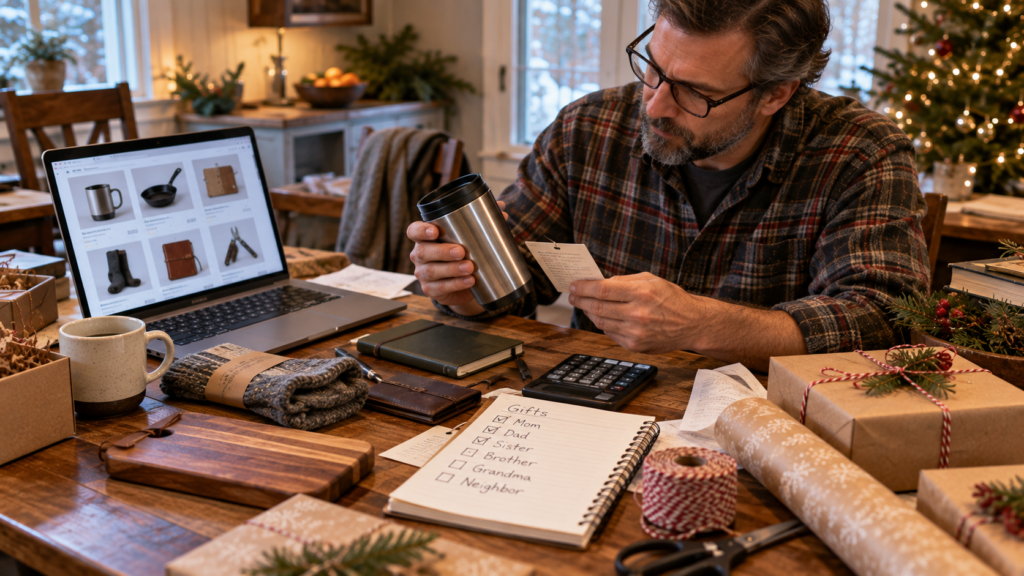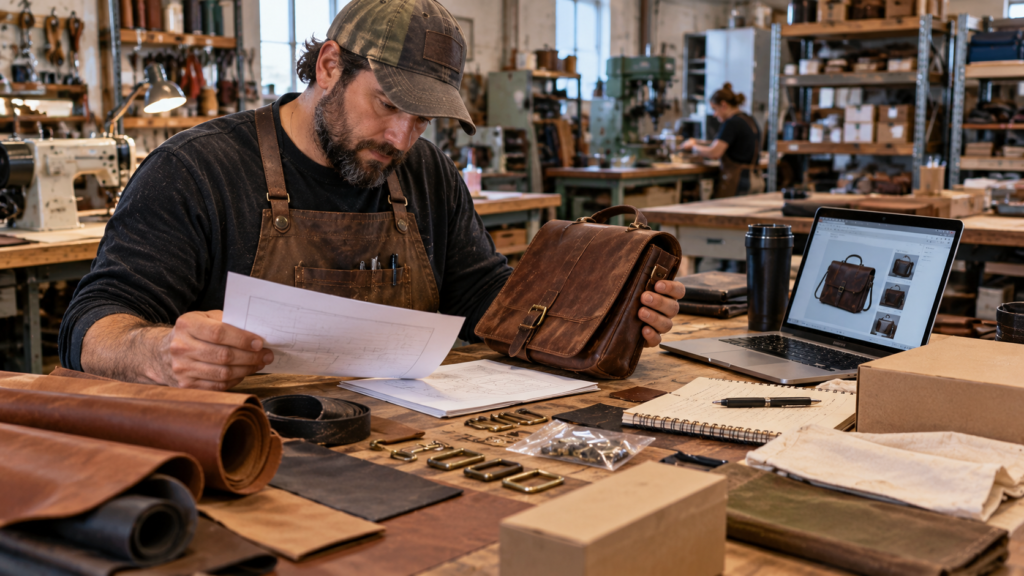
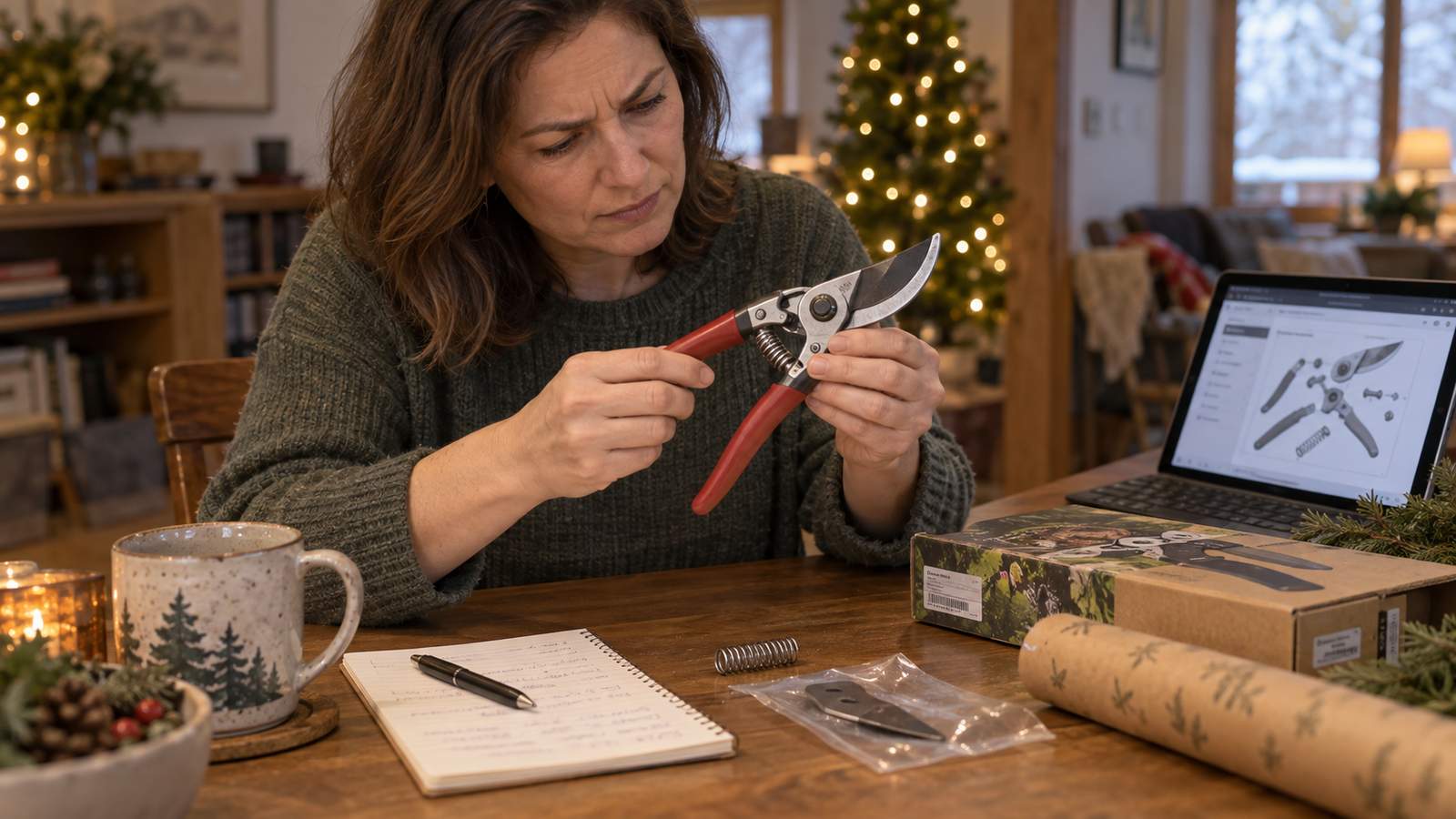
A gift does not become a good purchase simply because it says “Made in USA.”
Origin matters, but so do construction, useful life, repairability, and whether the recipient will actually use the product.
1. Read the exact origin claim
Look for the difference between:
- Made in USA
- Made in USA of U.S. and imported parts
- Assembled in USA
- Designed in USA
- Ships from USA
The FTC’s unqualified Made in USA standard is “all or virtually all” made in the United States.
2. Check the physical label
For textile products, country-of-origin labeling can provide more useful information than the headline on the product page.
Look at neck labels, packaging, tags, or required markings where available.
3. Compare the seller’s claim with the manufacturer’s
If you are buying through a marketplace, find the original manufacturer’s page. Confirm that the same origin language appears there.
4. Inspect the construction
Look at the parts most likely to fail:
- Seams and stitching
- Hinges
- Handles
- Switches
- Fasteners
- Wear surfaces
- Finish quality
Country of origin cannot compensate for weak construction.
5. Check whether wear items are replaceable
If the product has batteries, blades, belts, seals, filters, brushes, cords, or other consumables, find out whether replacements are available.
6. Look for manuals and parts support
A clear model number, parts list, and service documentation are good signs that the product is intended to stay in service.
7. Consider whether the recipient can maintain it
A product that requires regular sharpening, oiling, seasoning, calibration, or specialized care can be excellent, but only if that maintenance fits the recipient.
8. Compare price with useful life
A domestic premium can make sense when construction, support, and service life justify it. Do not assume a higher price automatically means a longer life.
9. Check the return and warranty terms
Gifts are unpredictable. Make sure the recipient can return or exchange the item if the fit, size, or use case is wrong.
10. Ask one final question: will this be used?
The most sustainable and economical gift is usually the one that does not become clutter.
The practical takeaway
A strong American-made gift passes more than an origin test.
Verify the claim, inspect the construction, look for parts and service, consider useful life, and make sure the item fits the person receiving it.
Sources
https://consumer.ftc.gov/features/made-usa
https://www.ftc.gov/business-guidance/resources/threading-your-way-through-labeling-requirements-under-textile-wool-acts
https://www.ftc.gov/reports/nixing-fix-ftc-report-congress-repair-restrictions