
American-Made Holiday Shopping: A Reality-Based Guide
A practical holiday guide for shoppers who want to buy more American without treating every gift as a purity test. Verify origin, compare value, and keep the budget intact.
Read →F2R Journal Topic

Reporting and practical guidance on U.S. manufacturing, domestic supply chains, sourcing standards, American-made apparel, and what Made in USA claims actually mean.
A practical holiday guide for shoppers who want to buy more American without treating every gift as a purity test. Verify origin, compare value, and keep the budget intact.
Read →

Buying American-made gifts does not require a premium gift for everyone. Set the budget first, pick categories carefully, and verify the claim before paying more.
Read →
Small manufacturers do not need slogans to explain where a product comes from. Clear facts about materials, process, people, and limits make a stronger sourcing story.
Read →
Supply-chain resilience is not just buying domestic. It means understanding risk, developing alternate suppliers, managing inventory, sharing forecasts, and knowing how quickly production can recover.
Read →
Marketplace listings can mix seller claims, shipping location, brand identity, and product origin. Use this checklist to separate them before buying.
Read →
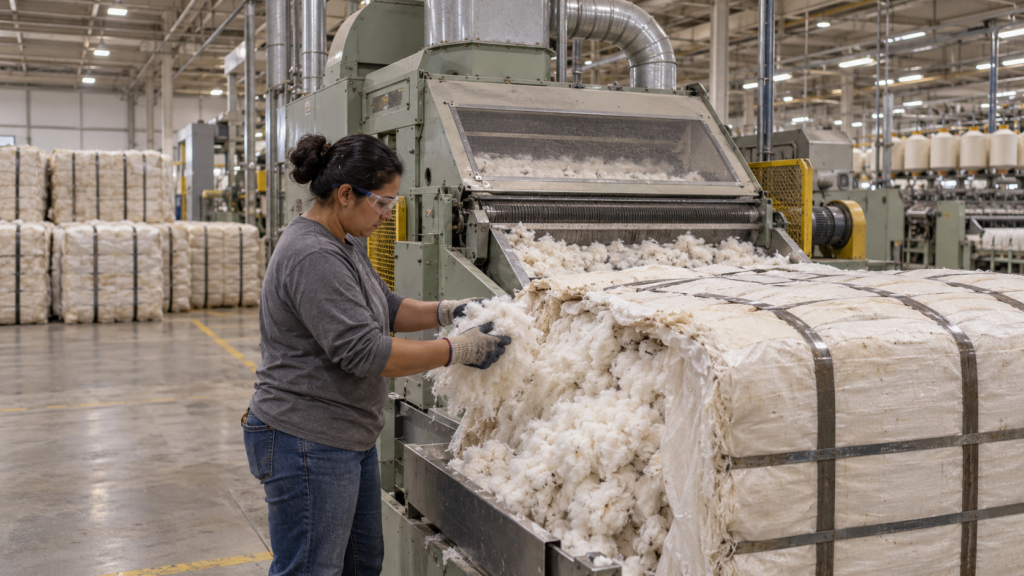
Follow cotton through seven manufacturing steps from field to finished T-shirt, with practical origin questions shoppers can ask at every stage.
Read →
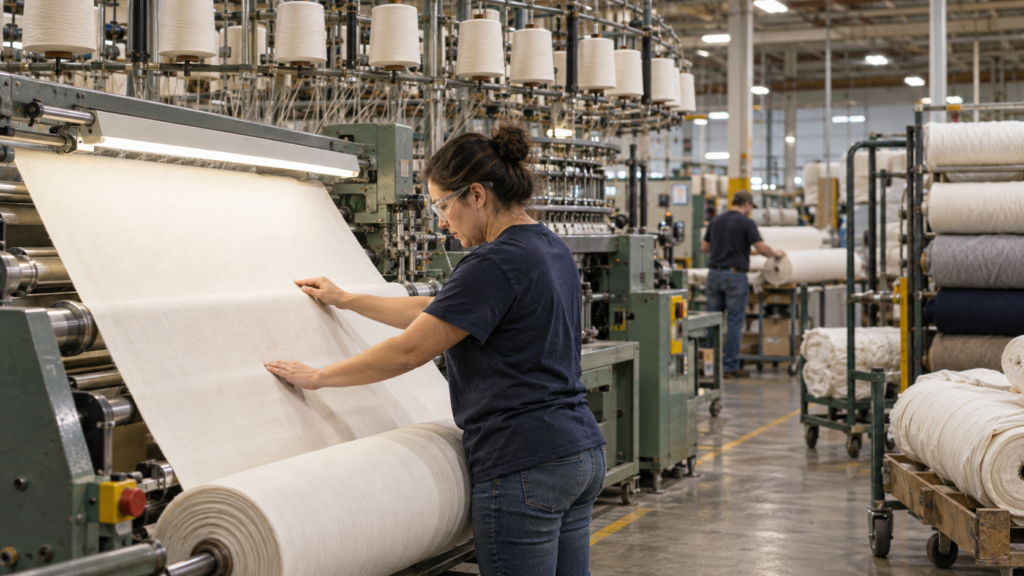
A domestic apparel supply chain includes fiber, yarn, fabric, dyeing, finishing, cutting, sewing, decoration, and labeling. Sewing is only one step.
Read →
Buying more American does not require replacing everything you own. Use a practical category-by-category strategy that respects budgets, existing products, and real supply-chain limits.
Read →
Assembled in USA is not the same as Made in USA. Here is what the FTC standard means, how imported components fit in, and what shoppers should verify.
Read →
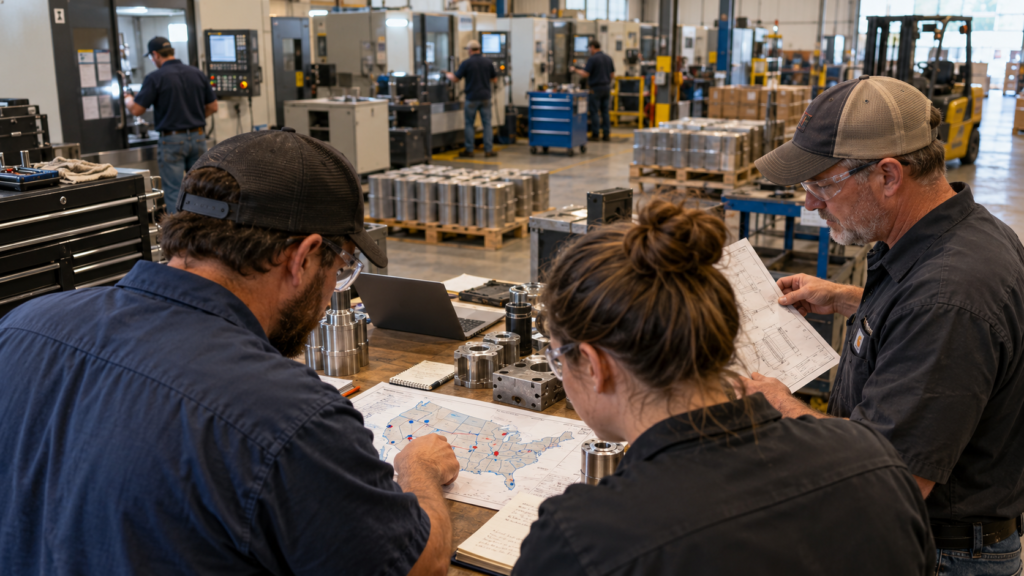
A practical guide to reshoring production: total cost, supplier mapping, tooling, workforce, design changes, qualification and phased moves.
Read →