
How a nation of mechanics, makers, and backyard problem-solvers became a nation of replacements, and why the old skills might be worth saving.
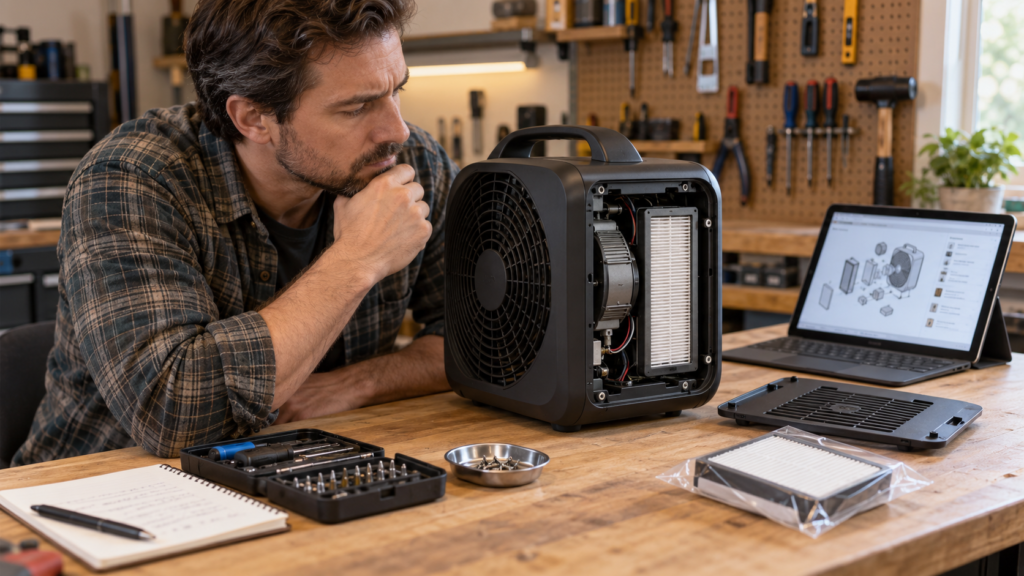
There was a time when a broken toaster wasn’t automatically a reason to buy another toaster.
You unplugged it, turned it over, found a screwdriver, and figured out what went wrong. Maybe you fixed it. Maybe you made it worse. Either way, throwing it away wasn’t necessarily your first instinct.
The same went for lawnmowers, radios, furniture, and just about anything else around the house.
Somewhere along the way, that changed.
Today, a perfectly good appliance can become garbage because one inexpensive component fails. A cracked plastic housing can send an entire machine to the landfill. And sometimes replacing something costs less than paying a professional to repair it.
How did a country famous for making things become so comfortable throwing them away?
When Repair Was Part of American Life
For much of the twentieth century, repairing household equipment was ordinary American life.
Neighborhoods had television repair shops, appliance technicians, shoe repair businesses, and mechanics who could rebuild an engine instead of replacing an entire assembly.
Families kept toolboxes. Hardware stores sold individual parts. Owners expected major purchases to last long enough to justify maintaining them.
This wasn’t necessarily some golden age of superior craftsmanship. Products broke, repairs could be frustrating, and plenty of people lacked the time or ability to fix things themselves.
But repair was a normal part of ownership.
A washing machine wasn’t simply something you bought. It was something you maintained.
And knowing how to keep things working was a skill worth having.
The Economics Changed
Americans didn’t suddenly become lazy or incapable. The financial incentives changed.
Mass production, global supply chains, and inexpensive imports made many replacement products dramatically more affordable.
Meanwhile, American labor remained relatively expensive.
Consider a small kitchen appliance. If a replacement costs $35 but a repair technician charges $90 just to diagnose the problem, the decision practically makes itself.
Modern products also became more complicated.
Circuit boards replaced mechanical controls. Plastic clips replaced accessible screws. Software became part of ordinary equipment. Some manufacturers restricted access to parts, diagnostic tools, or repair information.
Not every change was bad. Modern products can be safer, more efficient, and more capable than their predecessors.
But we’ve created a strange situation.
We have more technology than ever, yet owners sometimes have less control over the things they’ve purchased.
The Skills We’re Losing
There’s something satisfying about repairing a broken object.
You identify the problem, understand how something works, and use your hands to make it useful again.
That process develops patience, judgment, and confidence.
It also connects us to the skilled trades that keep America functioning.
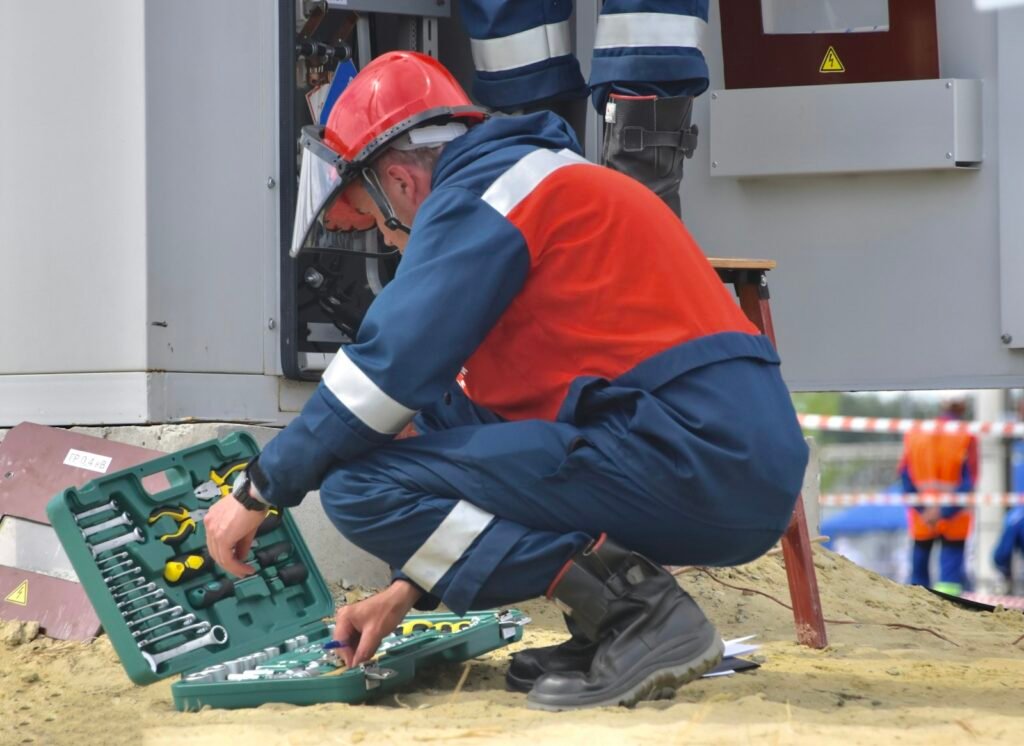
Electricians, machinists, welders, mechanics, and maintenance technicians solve problems most people never see. Their knowledge keeps factories operating, vehicles moving, and essential equipment running.
Those abilities don’t appear overnight.
They’re developed through practice, mentorship, mistakes, and experience.
When we stop valuing repair, we risk undervaluing the people who understand how things work.
And when younger generations rarely see adults repairing anything, they lose an opportunity to discover those skills themselves.
A country that knows how to make things should also know how to keep them working.
Maybe It’s Time to Bring Back the Toolbox
Nobody needs to repair everything.
Sometimes replacement makes more financial sense. Sometimes equipment is unsafe to service without professional training. And nobody should feel obligated to spend an entire weekend rescuing a $15 appliance.
But perhaps we could reconsider our automatic response to something breaking.
Before replacing it, look for a repair option.
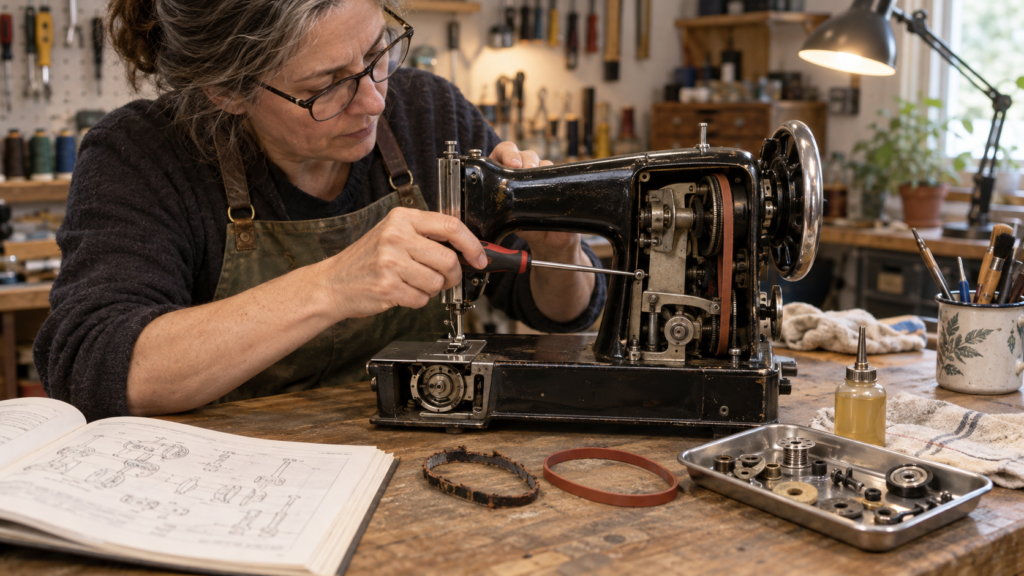
Find a local technician. Visit an independent hardware store. Learn to sew on a button, patch a small hole, maintain a bicycle, or restore a piece of furniture.
Support manufacturers that make replacement parts available and design products with serviceability in mind.
And teach someone younger how to do something useful with their hands.
These are small decisions, but they support a larger idea: American craftsmanship shouldn’t end when a product leaves the factory.
At Flight to the Right, we believe the people who build, maintain, and repair things deserve recognition. Their work is part of the foundation of American communities.
Here’s a challenge for this month: Find one broken item you’ve been meaning to replace. Before buying another, investigate whether it can be repaired safely and economically.
You might save a few dollars. You might discover a local business worth supporting. You might even learn something.
And if the repair doesn’t work?
At least you’ll know you tried before adding another perfectly repairable thing to the trash.
Because sometimes the most American thing you can do is roll up your sleeves and figure it out.