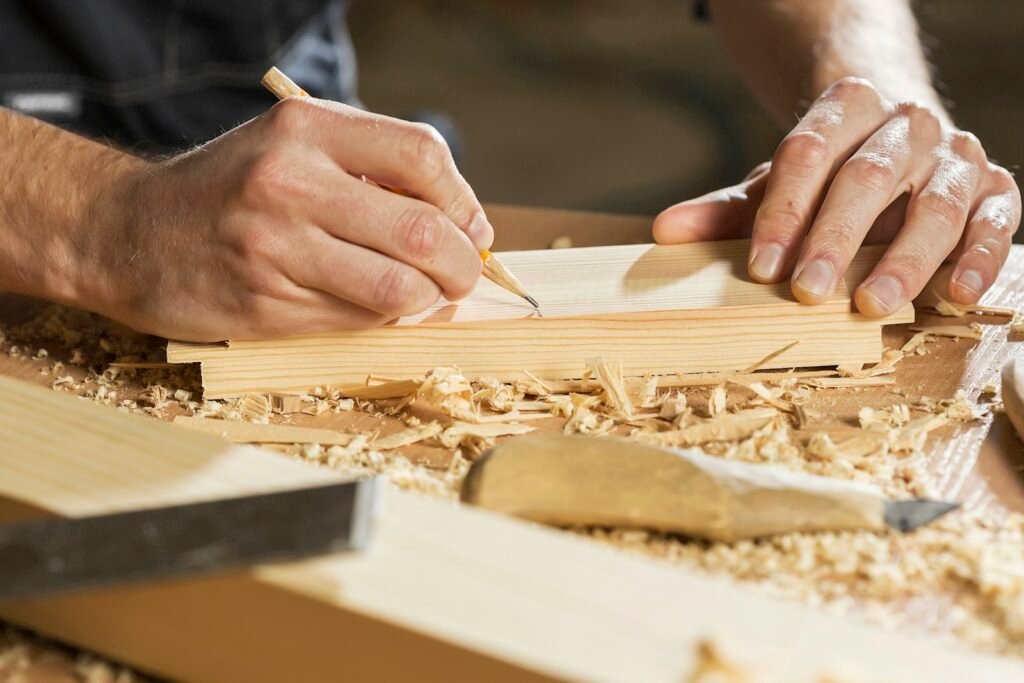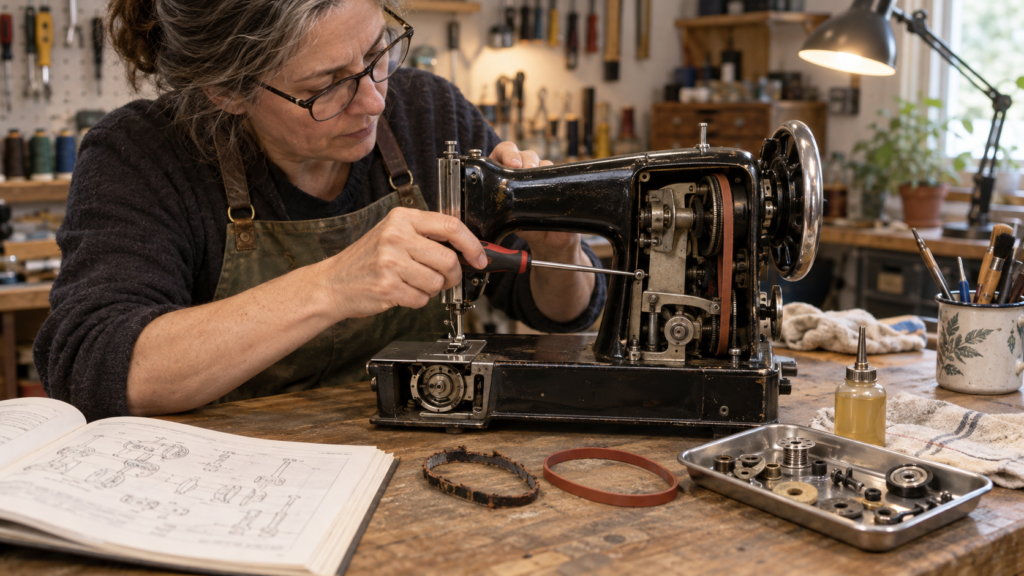

A Registered Apprenticeship is a paid job that combines structured on-the-job learning, mentorship, related classroom instruction, progressive wage increases, and a nationally recognized credential. It is not an unpaid internship and it is not a second-class substitute for education. It is one of the most direct ways to turn knowledge into skilled work.
The short answer
According to Apprenticeship.gov, Registered Apprenticeship programs are industry-driven career pathways. The apprentice works for an employer, earns wages, learns under experienced people, completes related instruction, and gains a portable credential.
That model makes sense for one simple reason: many skills cannot be learned well from a book alone.
You can study machining, electrical work, welding, toolmaking, maintenance, construction, advanced manufacturing, or dozens of other occupations in a classroom. At some point, somebody still has to stand beside you and show you how the work behaves in the real world.
Apprenticeships are jobs
This is the first distinction worth remembering.
A Registered Apprenticeship is paid employment. Apprentices earn from the beginning and receive wage progression as skills increase.
That matters because training is not separated from work. The apprentice learns while contributing to the business.
For a young person, that can mean entering a career without waiting years to start earning. For a career changer, it can create a structured path into a field that otherwise feels closed. For employers, it creates a way to build talent around the actual work the company needs done.
Mentorship transfers knowledge that manuals miss
Every good trade has knowledge that is hard to write down.
A machinist learns what a cut sounds like when the tool is unhappy.
A welder learns how preparation changes the bead.
A maintenance technician learns which vibration means “watch it” and which one means “shut it down.”
A sewer learns how different fabrics feed, stretch, bunch, and recover.
An electrician learns how to work cleanly, safely, and efficiently in conditions that never look exactly like the diagram.
That knowledge is part technical and part judgment. It is built through repetition with correction from someone who already knows the craft.
When experienced workers retire without passing that judgment forward, a company can lose more than headcount. It can lose memory.
Classroom instruction still matters
Apprenticeship is not “skip school and grab a wrench.”
Registered programs include related instruction that supports the work. Depending on the occupation, that can mean math, blueprint reading, safety, codes, materials, process control, electrical theory, programming, quality systems, or other technical knowledge.
The combination is the strength of the model.
Classroom learning explains why. Work-based learning shows how. Mentorship connects the two.
Why manufacturers need this model
Manufacturing capacity is not just buildings and machines. It is people who know how to run, maintain, inspect, repair, improve, and troubleshoot those machines.
A company can buy a new piece of equipment faster than it can create a master craftsperson.
That gap is one reason workforce development belongs in any serious conversation about American manufacturing. If we want more products made here, we need people who can make them well.
That includes the highly visible trades, but also less visible roles such as industrial maintenance, quality technicians, tool and die makers, CNC operators, metrology specialists, process technicians, and production supervisors.
Why small businesses should care
Large corporations can build formal training departments. Small businesses often cannot.
That is where structured apprenticeship can be useful. A smaller company can define the skills an employee needs, build wage progression around skill growth, combine internal mentorship with external technical education, and create a repeatable pathway instead of hoping the right experienced worker appears in a job posting.
The administrative side can still feel intimidating, especially for a small shop. Apprenticeship.gov and state apprenticeship agencies provide resources, and employers can also work with community colleges, workforce organizations, industry associations, and intermediaries.
The best version is not paperwork for paperwork’s sake. It is a system that keeps training from depending entirely on luck.
Skilled trades are not a fallback
One of the worst cultural habits we developed was talking about skilled work as if it were what someone does when the “real” plan fails.
There is nothing second-tier about being able to build, wire, machine, repair, weld, sew, program, maintain, or fabricate something correctly.
A functioning country needs people who can design things and people who can make them. Often the best workers understand both.
That does not mean every student should skip college. It means college should not be treated as the only respectable path into adulthood.
The better question is: what work fits the person, and what training produces real competence?
What communities can do
You do not need to own a factory to support apprenticeship.
Parents can talk about trades without treating them as punishment.
Schools can expose students to technical careers before graduation.
Community colleges can build programs around local employers.
Manufacturers can document the skills they are at risk of losing.
Experienced workers can mentor.
Customers can value companies that invest in training instead of expecting fully formed workers to appear from nowhere.
The culture around work matters.
Related questions
What makes a Registered Apprenticeship different from an internship?
Registered Apprenticeships are paid jobs with structured training, mentorship, wage progression, related instruction, and a recognized credential.
Are apprenticeships only for construction?
No. Construction is a familiar example, but Registered Apprenticeships exist in manufacturing, transportation, energy, information technology, healthcare, and other industries.
Do apprentices receive a credential?
Yes. Successful completion of a Registered Apprenticeship results in a nationally recognized credential.
Why does this matter to Made in America?
Because domestic production depends on skilled people. You can reshore a purchase order on paper. You cannot reshore years of experience overnight.
What should I read next?
See our upcoming guide on why American manufacturing cannot be rebuilt with a factory announcement alone, and our repair culture guide on the value of people who know how to keep useful things working.
F2R takeaway: skills are infrastructure. If America wants to build more, America has to keep teaching people how to build.