“Heirloom quality” sounds impressive. The useful question is what, physically, makes the product likely to survive long enough to deserve the description.
Marketing language is easy to print. Durable construction is harder to fake.
Start with the failure points
Every product has parts that take more stress than others.
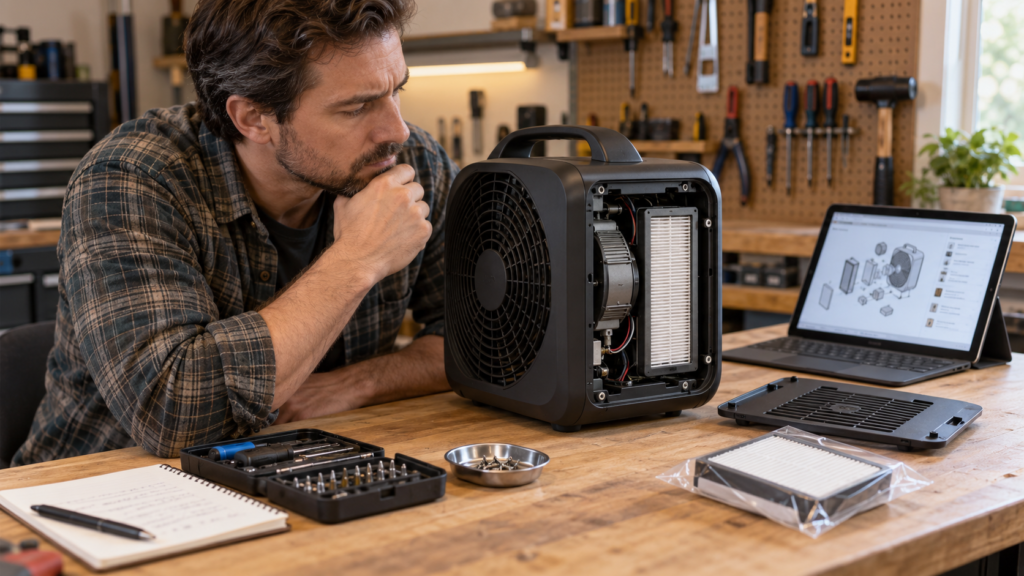
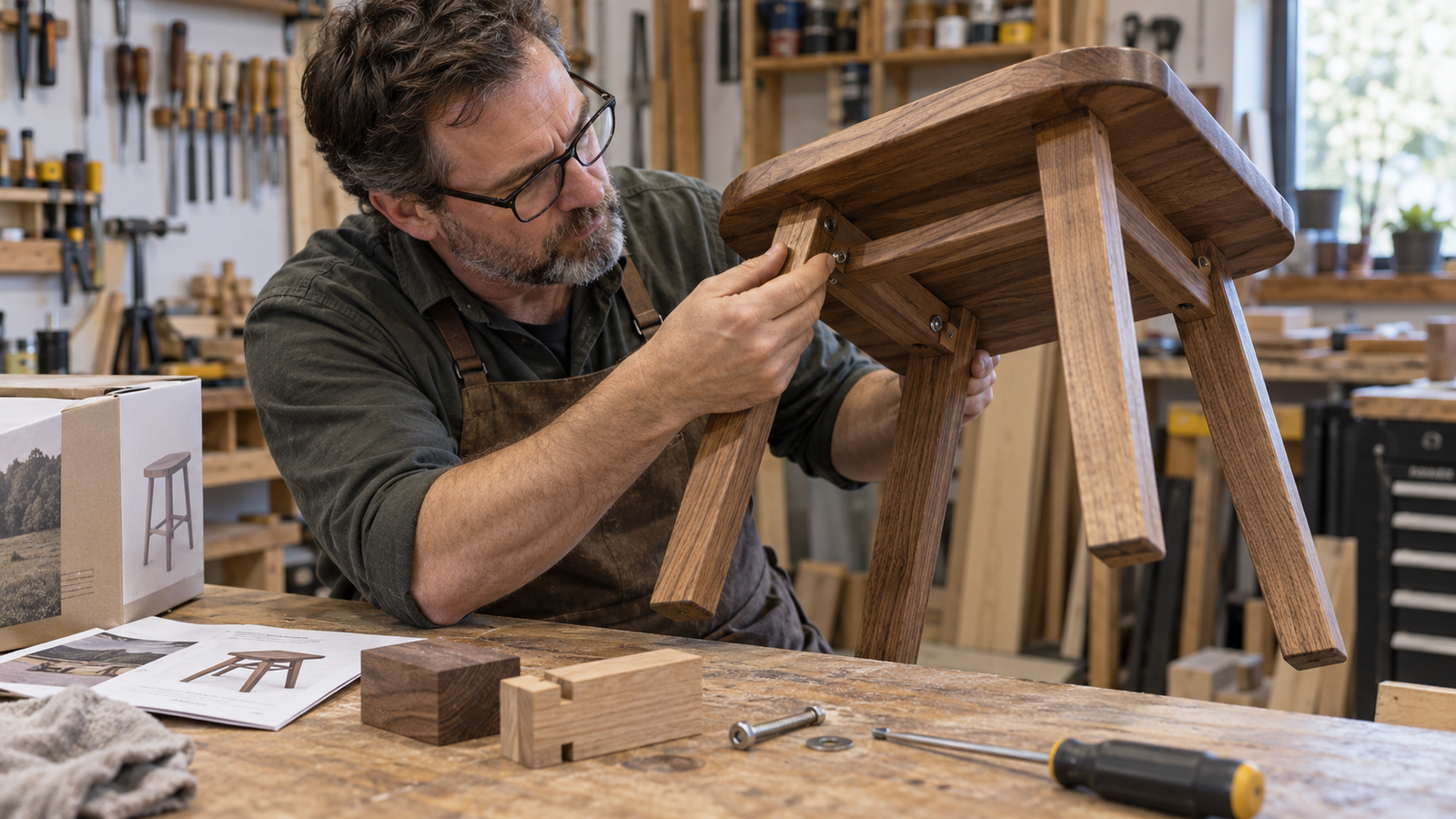
On furniture, look at joints, drawer slides, hardware, and finish. On tools, look at bearings, gears, handles, switches, and replaceable wear parts. On apparel, look at fabric weight, seam construction, reinforcement, and whether common damage can be repaired.
The parts that fail first tell you more than the adjective on the box.
Material names need context
“Steel,” “leather,” “solid wood,” and “cotton” cover wide ranges of quality.
Material grade, thickness, treatment, grain, fiber, weave, and the way the material is joined can matter as much as the material category itself.
Good construction usually leaves evidence
Useful clues can include:
- Mechanical joints that can be tightened or repaired
- Replaceable wear components
- Reinforcement at stress points
- Serviceable fasteners
- Consistent machining or fit
- Finish appropriate to the expected environment
- Enough material where loads are concentrated
Repairability separates long life from temporary toughness
A product may survive abuse for years and still become disposable when one small component fails.
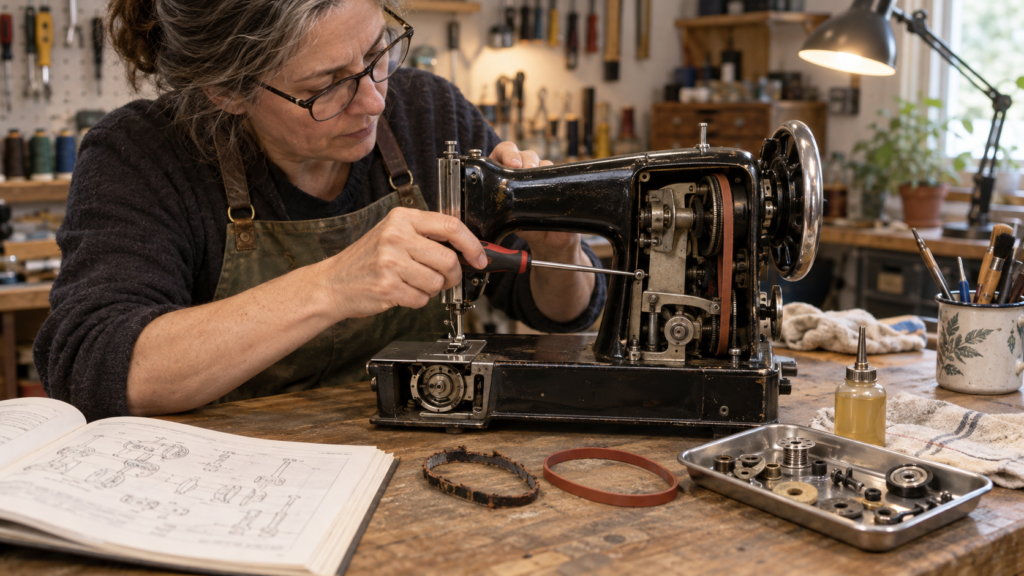
Long service life is more believable when the manufacturer provides replacement parts, model numbers, manuals, and realistic access for repair.
FTC repair work has highlighted the ways proprietary tools, restricted parts, adhesives, and software can make otherwise repairable products difficult to service.
Look at what the manufacturer supports after the sale
Warranty length is only one signal.
Also check:
- Replacement-part catalog
- Repair service
- Technical documentation
- Refinishing or rebuilding programs
- Availability of consumables
- Support for older models
Heritage can be useful evidence, but it is not proof
A company with products still in service after decades has a useful track record. But old reputation should not substitute for inspecting the current product.
Materials, ownership, suppliers, and manufacturing methods can change.
Domestic origin and heirloom quality are separate questions
A Made in USA claim describes origin. It does not certify durability.
A buyer who values domestic manufacturing should verify both: where the product was made and whether the design supports long service life.
Beware of luxury language without technical detail
Words such as “premium,” “heritage,” “artisan,” “professional,” and “built to last” can be meaningful when backed by construction details. Without those details, they are not a substitute for evidence.
Ask what changed in the bill of materials, assembly method, serviceability, or quality control to justify the claim.
The practical takeaway
Heirloom quality is not a mood. It is the result of material choices, sound construction, maintainability, and support over time.
When a product is marketed as something your children might inherit, inspect the parts your children would eventually have to repair.
Sources
https://www.ftc.gov/reports/nixing-fix-ftc-report-congress-repair-restrictions
https://www.ftc.gov/business-guidance/blog/2019/03/nixing-fix-warranties-mag-moss-restrictions-repairs