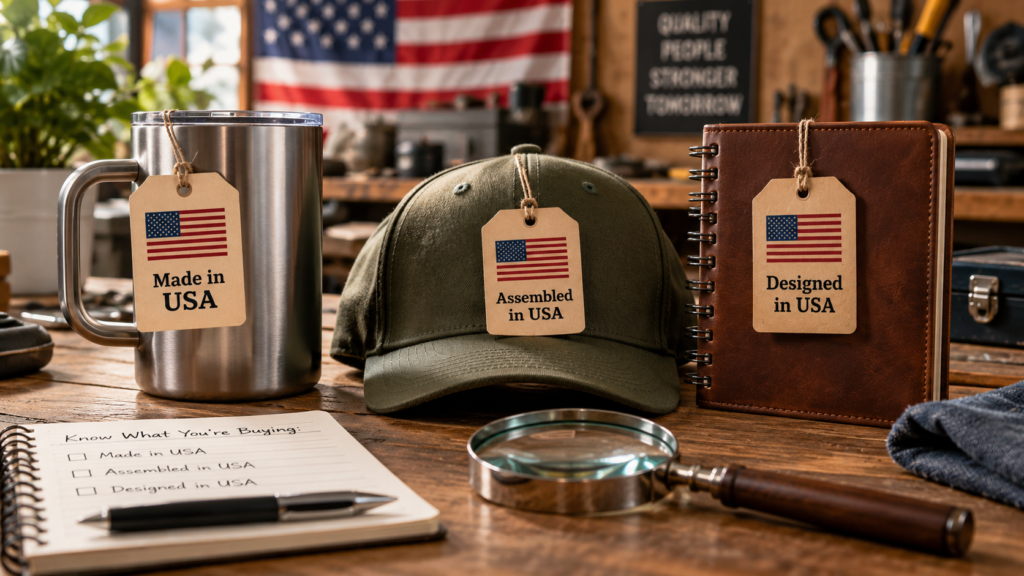
Learn what the Made in USA label actually means, how FTC rules treat unqualified claims, and how Made in USA differs from assembled or designed in USA.
Made in America can shorten some supply chains and place production under U.S. environmental rules, but origin alone does not prove a product has a smaller environmental footprint.
The FTC gives consumers a practical way to judge Made in USA claims: look for whether the claim is qualified, whether final assembly happens here, and whether significant parts and processing are domestic.
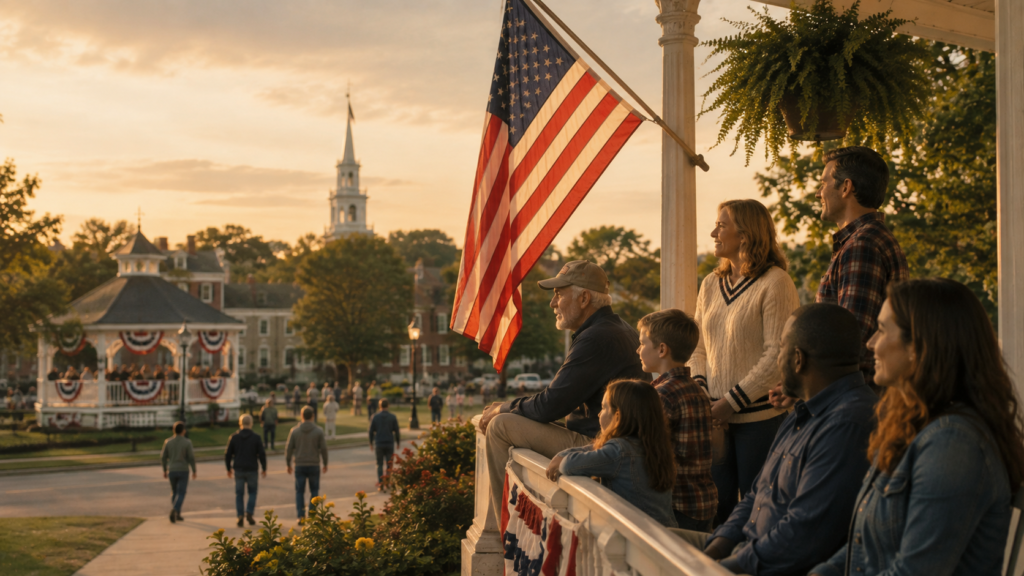
Patriotism is usually less dramatic than people imagine. It shows up in service, responsibility, community, gratitude, and the small habits that make self-government possible.
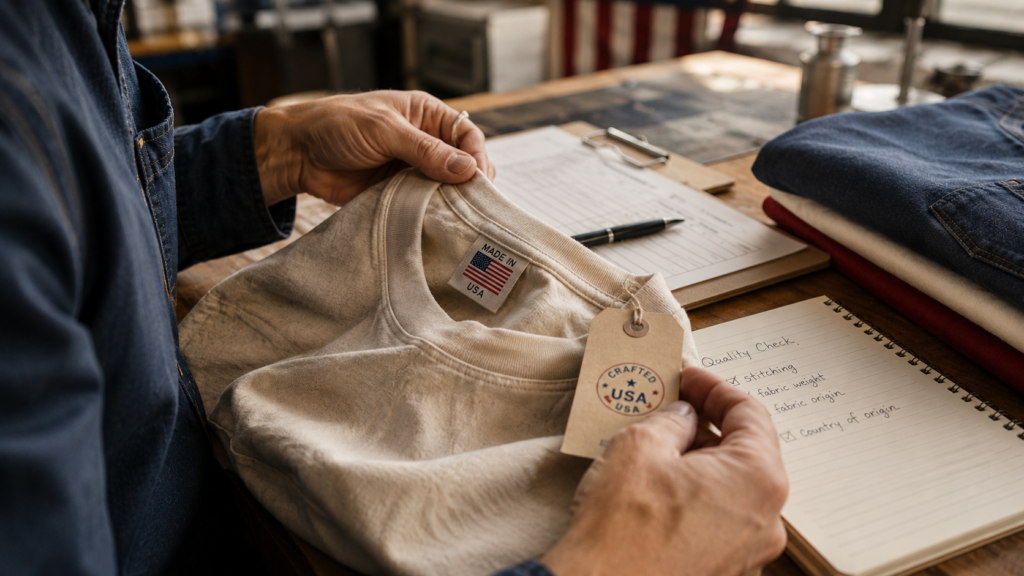
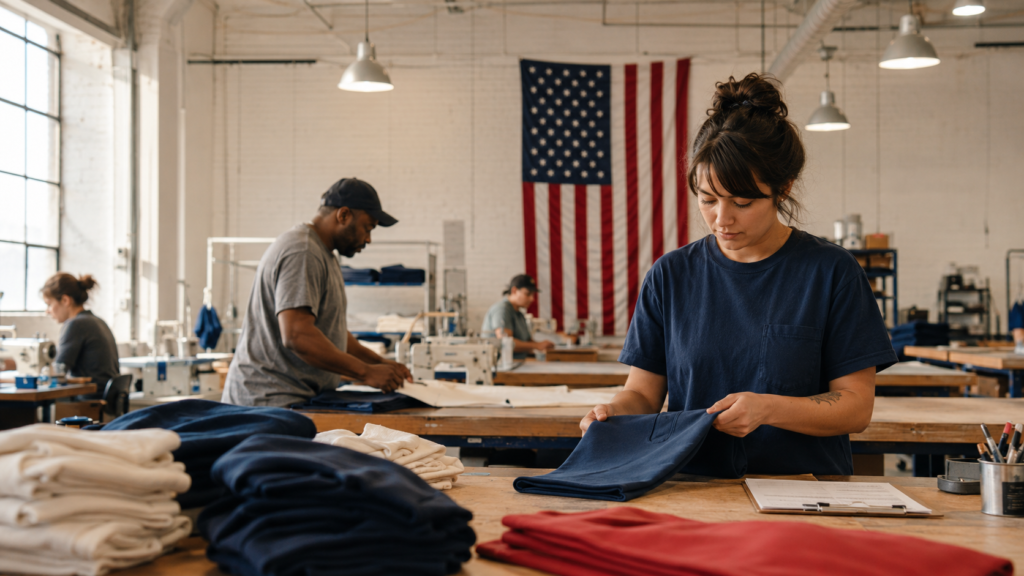
Ethical sourcing is more useful when it is specific. U.S. garment production operates under wage, overtime, recordkeeping, and child-labor rules that buyers can actually examine.
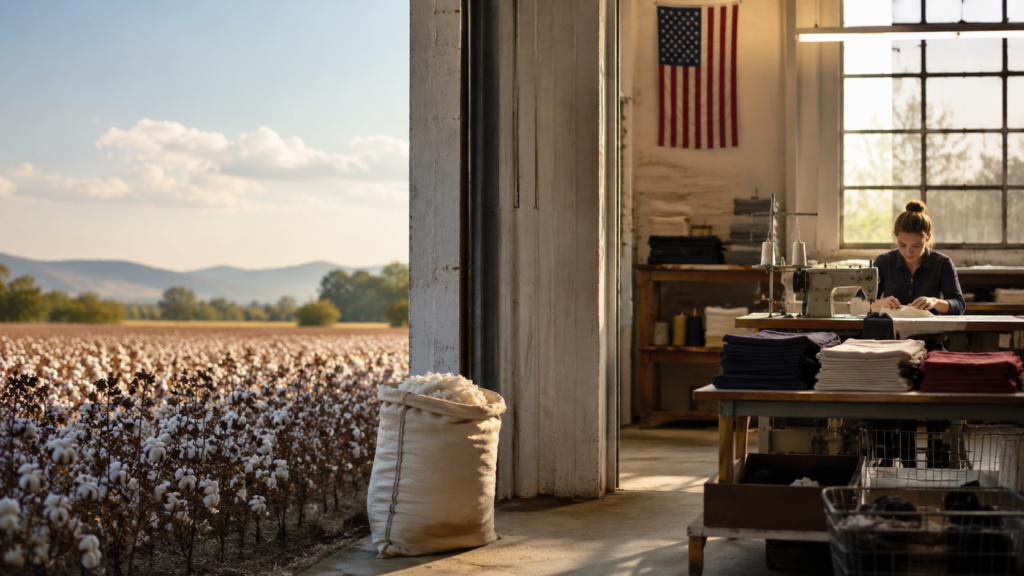
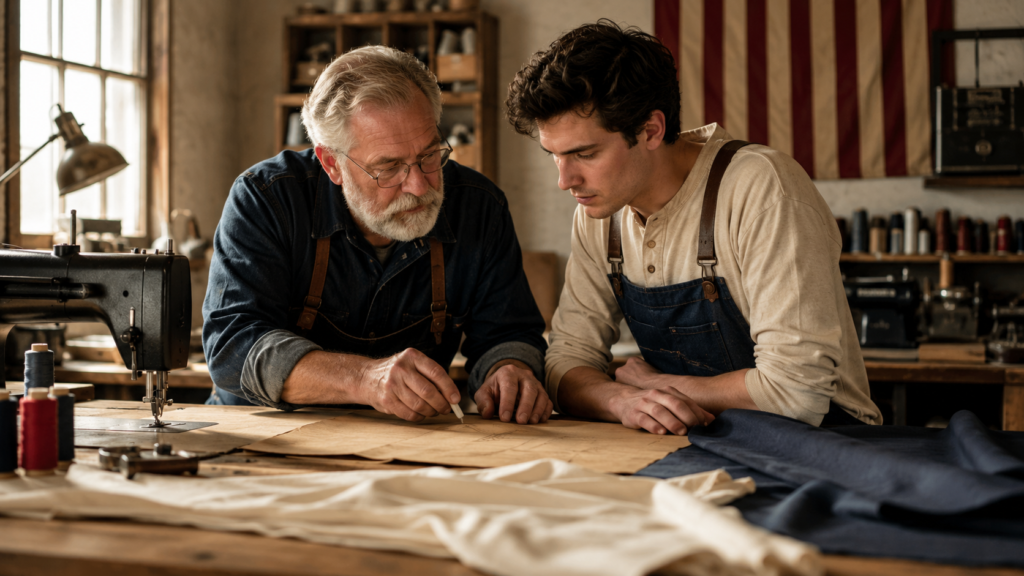
American craftsmanship is not a museum concept. It is skill, consistency, judgment, and pride in work that still shows up in factories, trades, shops, and small businesses today.
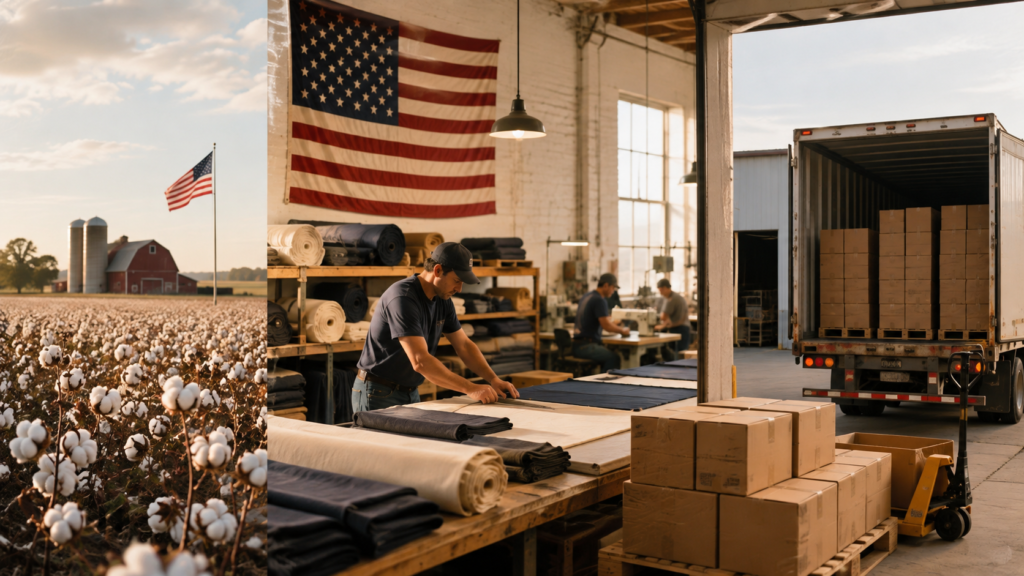
Buying American is not a magic economic formula, but it does direct demand toward domestic producers, suppliers, workers, and the production capacity behind them.
Free speech is not only the right to speak. A healthy culture also needs the ability to hear disagreement, answer it, and keep living together afterward.
The strongest way to pass patriotism forward is not through slogans. It is through history, example, civic habits, gratitude, and enough honesty that young people can trust what they are taught.
Veterans deserve more than seasonal slogans. A patriotic brand should honor military service with accuracy, restraint, and products that do not use sacrifice as a shortcut to credibility.