Featured story
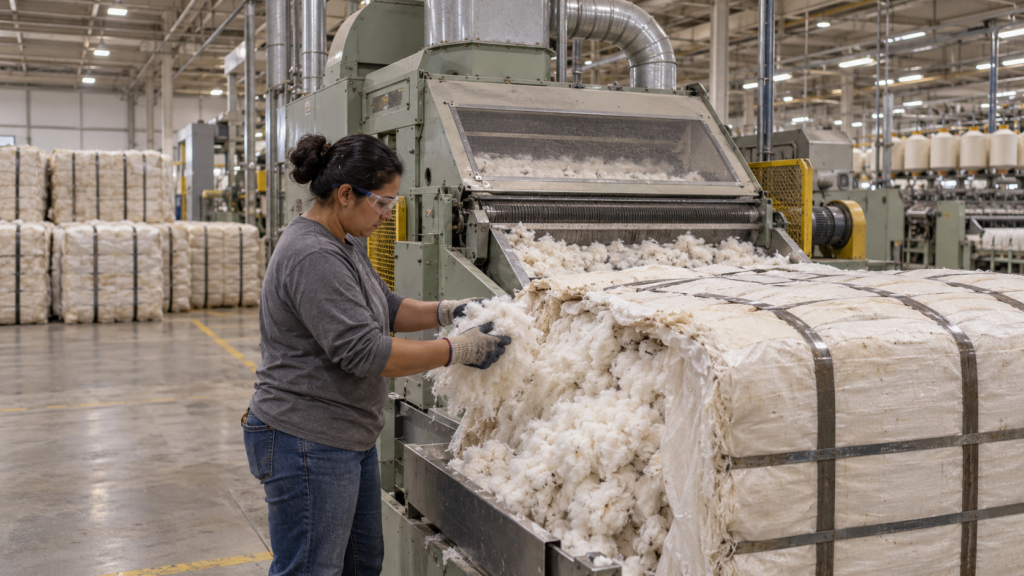
From Cotton Field to T-Shirt: Seven Manufacturing Steps
Follow cotton through seven manufacturing steps from field to finished T-shirt, with practical origin questions shoppers can ask at every stage.
Read the story →F2R Journal
Useful, sourced stories about what is made here, how it is made, and the history and convictions that give the work meaning.
Featured story
Follow cotton through seven manufacturing steps from field to finished T-shirt, with practical origin questions shoppers can ask at every stage.
Read the story →
A country can lose more than factories. It can lose skills. Standards. Local businesses. Institutional memory. The habit of neighbors knowing one another. The…
Read →
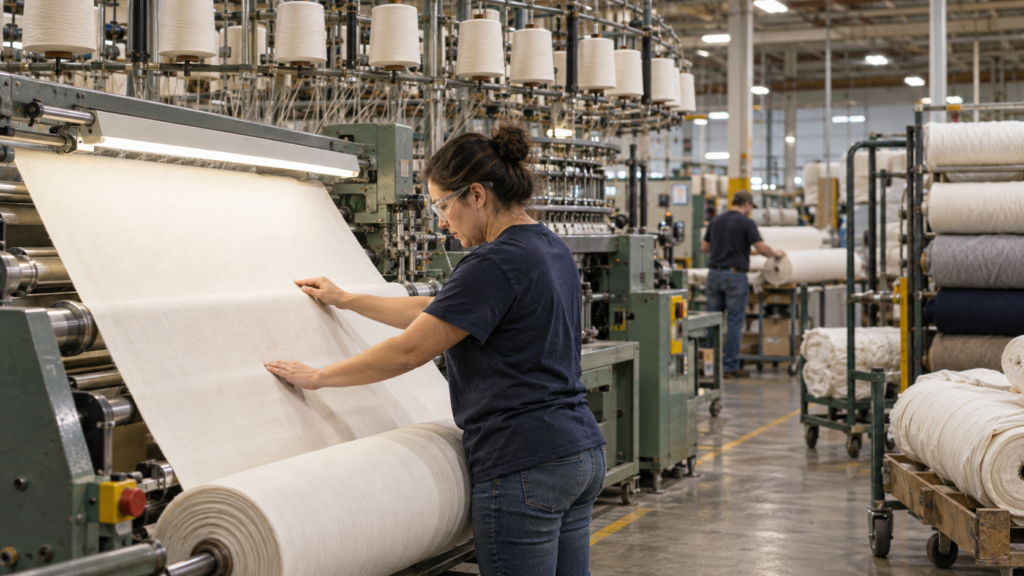
A domestic apparel supply chain includes fiber, yarn, fabric, dyeing, finishing, cutting, sewing, decoration, and labeling. Sewing is only one step.
Read →
Family-owned manufacturers can preserve skill, supplier knowledge, and long-term accountability, but continuity takes more than a family name. Succession, systems, and training matter.
Read →
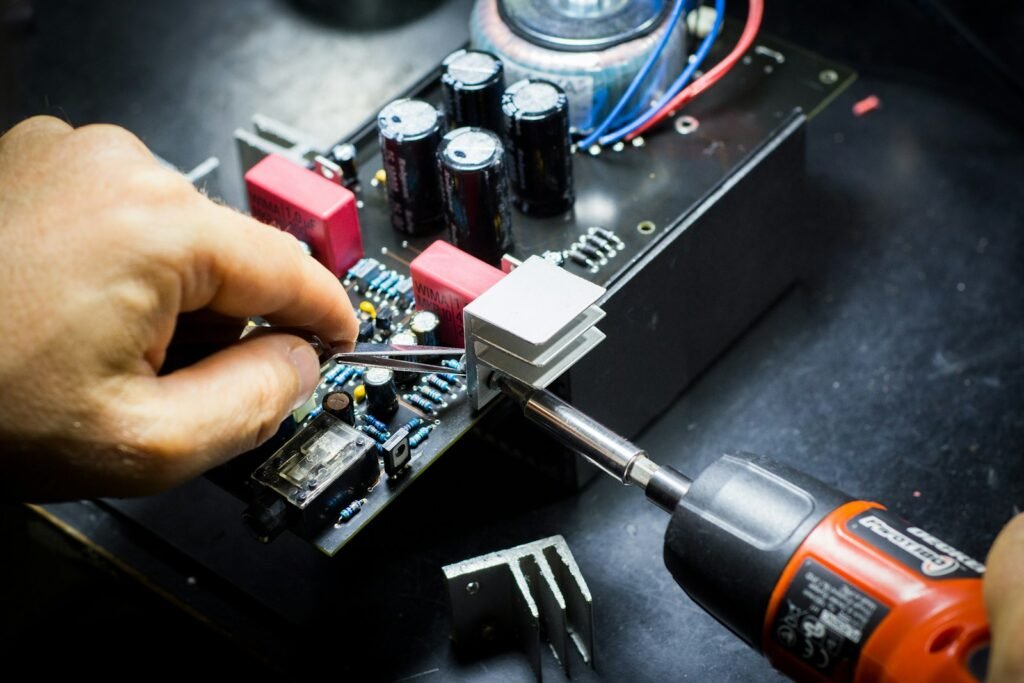
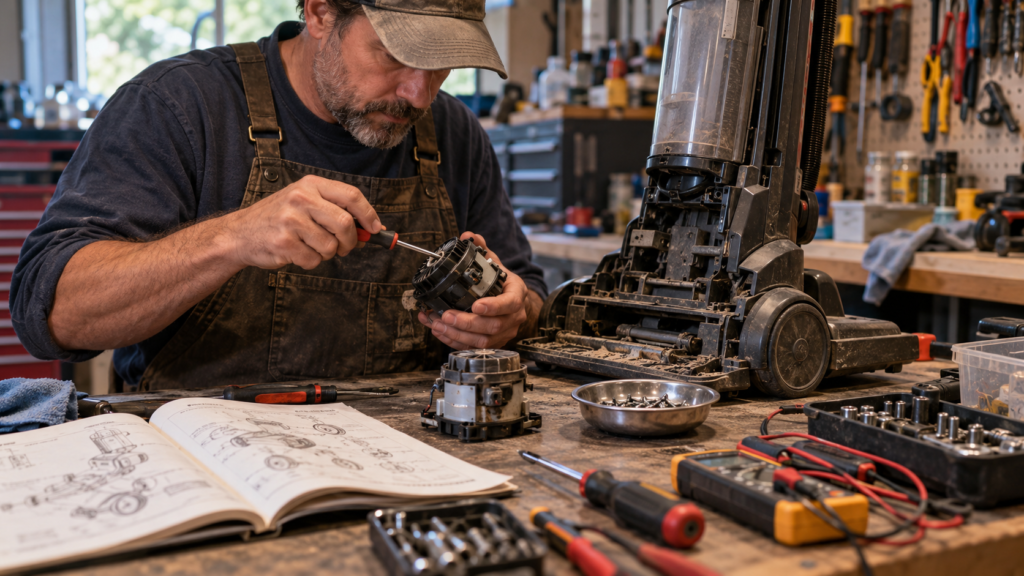
Repairability comes down to access, parts, fasteners, manuals, diagnostics, software, and service options. Here is what to check before you buy.
Read →
Buying more American does not require replacing everything you own. Use a practical category-by-category strategy that respects budgets, existing products, and real supply-chain limits.
Read →
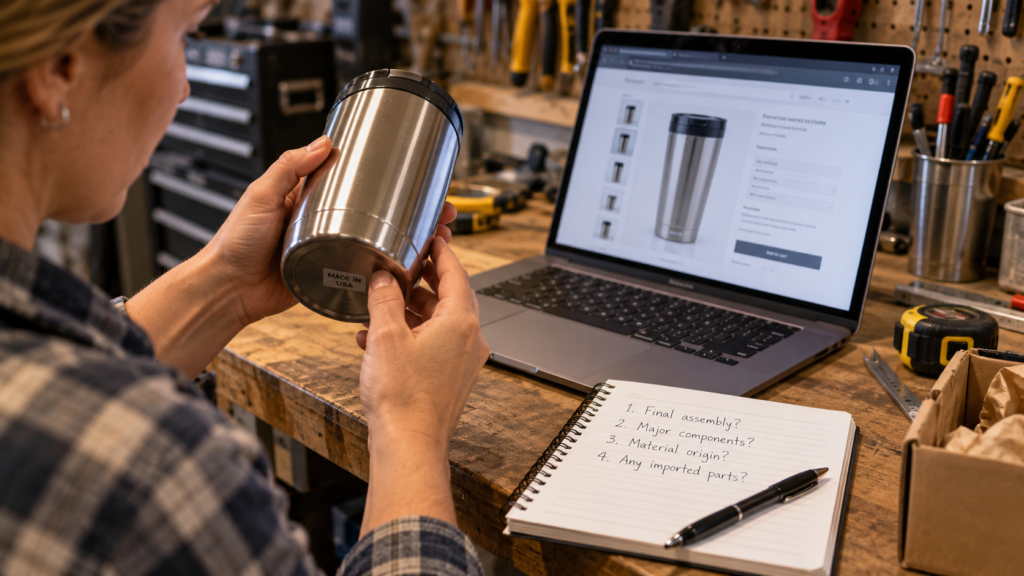
Assembled in USA is not the same as Made in USA. Here is what the FTC standard means, how imported components fit in, and what shoppers should verify.
Read →
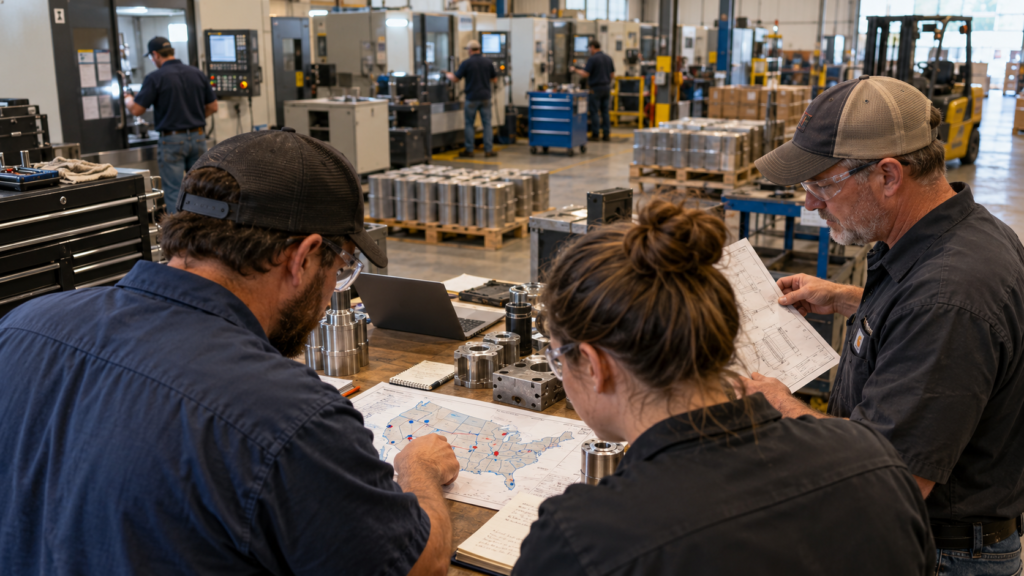
A practical guide to reshoring production: total cost, supplier mapping, tooling, workforce, design changes, qualification and phased moves.
Read →
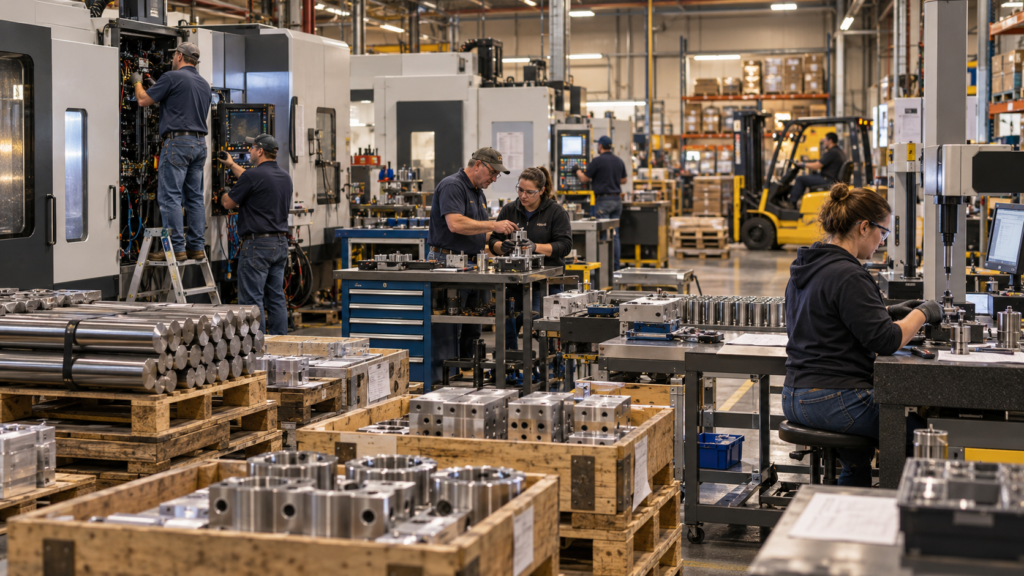
Manufacturing capacity is an ecosystem of suppliers, machines, tooling, skills, quality, logistics, capital and demand. Here is why rebuilding takes time.
Read →
Learn when repair makes sense, what makes products repairable, which clues to check before buying, and when replacement is the smarter choice.
Read →
Use this practical checklist to verify Made in USA claims by reading exact wording, checking labels, comparing listings and asking specific sourcing questions.
Read →
Learn how Registered Apprenticeships combine paid work, mentorship, instruction, wage progression and credentials to build skilled American workers.
Read →
See why American-made goods often carry higher prices, from labor and benefits to equipment, smaller runs, domestic inputs, quality and total cost of ownership.

Read →