A practical holiday guide for shoppers who want to buy more American without treating every gift as a purity test. Verify origin, compare value, and keep the budget intact.
Buying American-made gifts does not require a premium gift for everyone. Set the budget first, pick categories carefully, and verify the claim before paying more.
Small manufacturers do not need slogans to explain where a product comes from. Clear facts about materials, process, people, and limits make a stronger sourcing story.
Supply-chain resilience is not just buying domestic. It means understanding risk, developing alternate suppliers, managing inventory, sharing forecasts, and knowing how quickly production can recover.
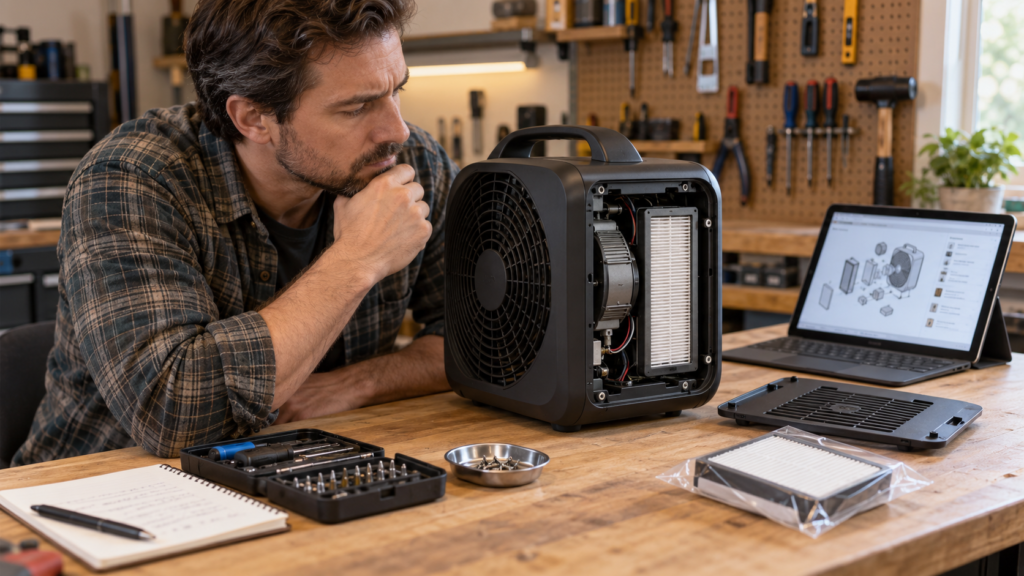
Before buying a durable product, check whether you can open it, diagnose it, get parts, find documentation, and keep it working after the warranty ends.
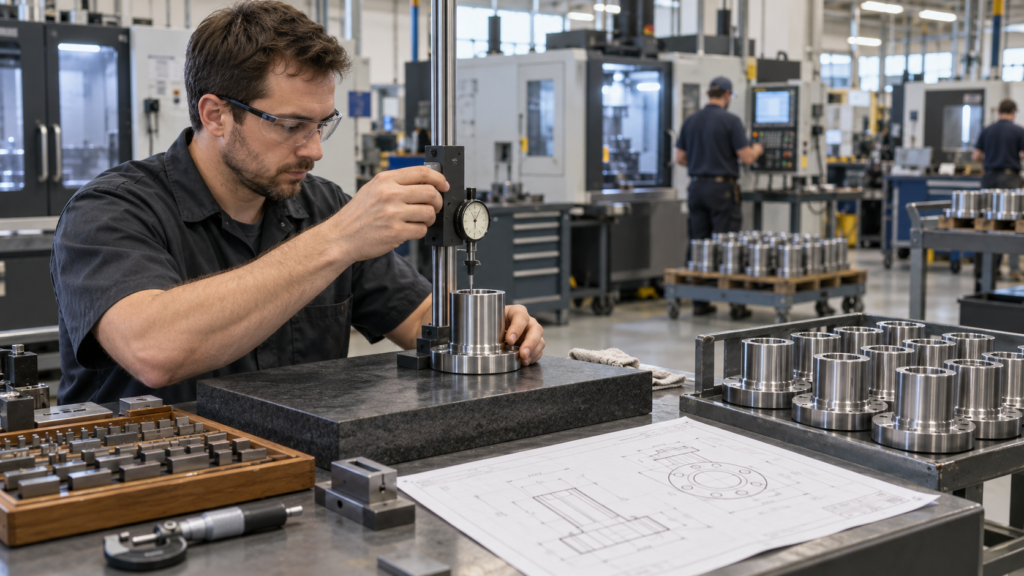
American manufacturing scaled through repeatable measurement, gauges, tolerances, standards, and interchangeable parts. The history is more complicated than a single invention.
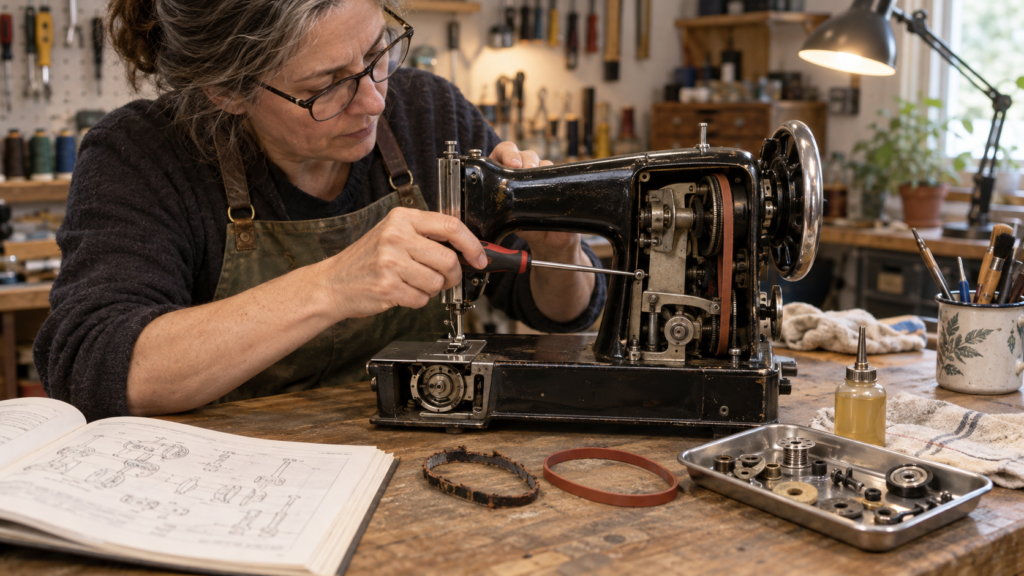
From neighborhood repair shops to disposable appliances, explore why Americans replace instead of repair and what it means for craftsmanship and skilled trades.
Buy It for Life should mean more than a reputation for toughness. Durability, repairability, parts support, maintenance, and realistic lifetime value all matter.
Apprenticeship and trade school can both lead into skilled work, but they are structured differently. One centers paid work-based learning; the other centers formal technical education.
Modern patriotism is more than politics or symbols. It is the everyday work of supporting American makers, serving neighbors, and leaving your community better than you found it.
Manufacturing towns built supplier networks, training systems, institutions, and local identity. They also show the risks of depending too heavily on one industry.